Image Prompt 1: Cross-section view of Central Texas soil profile showing layers: 4-6 inches of dark topsoil, then reddish-brown clay layer (12-18 inches thick), then white/gray limestone bedrock (Edwards limestone formation). Visible in excavation or cleared hillside. Geologist measuring soil depth with ruler. Hill Country background. Educational/documentary style.
The Ground Beneath Your Feet Is a War Zone
I've seen it a hundred times: a family buys 10 acres of Hill Country "paradise," builds their dream home, and three years later they're staring at foundation cracks that'll cost $50,000 to fix. Or erosion gullies that swallow equipment. Or wells that run dry because the soil can't hold water.
Welcome to Central Texas Soil Wars—where clay, limestone, and caliche fight each other (and YOU) for control of your property.
- Expansive clay: Swells 25-50% when wet, crushes foundations when dry
- Limestone bedrock: 6-18 inches below surface—breaks bulldozers, limits septic
- Poor water retention: Soil can't hold rain—runs off in flash floods or evaporates
- Erosion nightmares: Lose 2-4 inches of topsoil per year without protection
A 50-acre ranch near Fredericksburg lost $120,000 in topsoil over 10 years due to poor land management. The erosion was so bad, USDA declared it "severely degraded." Forest mulching + native grass restoration saved it.
Edwards Plateau Geology: The Triple Threat
Why Central Texas soil is uniquely difficult:
1. The Limestone Foundation (Edwards Formation)
- Age: 100 million years old (Cretaceous period)
- Composition: Porous limestone karst—riddled with caves, sinkholes, fractures
- Depth to bedrock: 6-18 inches in Hill Country, 2-4 feet in valleys
- Water behavior: Rain drains THROUGH rock into aquifer (doesn't stay in soil)
- Problem: Can't dig post holes, septic systems struggle, trees have shallow roots
2. The Clay Layer (Houston Black Clay / Heiden Clay)
- Type: Expansive montmorillonite clay (shrink-swell clay)
- Thickness: 12-36 inches over limestone
- Plasticity Index: 40-60 (extremely plastic—cracks when dry, mud when wet)
- Shrink-Swell Potential: HIGH (can exert 15,000+ PSI pressure on foundations)
- Problem: Destroys foundations, roads, fence posts—anything touching it
3. The Topsoil (What Little Exists)
- Depth: 2-6 inches (when protected by vegetation)
- Composition: Clay-loam with limestone gravels
- Organic matter: 1-3% (low—easily eroded)
- pH: 7.5-8.5 (alkaline—limits plant options)
- Erosion rate: 2-5 tons per acre per year if exposed (5-10X faster than formation rate)
Foundation Fact: The 2011 Texas drought caused $15 BILLION in foundation damage statewide. Most damage occurred in areas with expansive clay over limestone—exactly what we have in Central Texas.
The $50,000 Foundation Disaster (And How to Avoid It)
| Soil Problem | Cause | Repair Cost |
|---|---|---|
| Foundation Heaving/Settling | Expansive clay swells/shrinks | $15,000-$75,000 |
| Erosion Gullies | Exposed topsoil washes away | $5,000-$20,000 to fill/stabilize |
| Septic System Failure | Shallow limestone blocks drainage | $20,000-$40,000 replacement |
| Driveway/Road Damage | Clay expansion cracks concrete | $8,000-$25,000 per 100 ft |
| Well/Water Issues | Aquifer recharge blocked by erosion | $10,000-$30,000 new well |
| Potential Total Damage | Poor soil management | $58,000-$190,000 |
Real Case: A client near Boerne built a $400K home on unmanaged clay soil. Within 2 years: $62,000 in foundation repairs, $18,000 for French drains, $12,000 for erosion control. Total: $92,000—nearly 25% of home value.
The Solution: Proper Land Clearing + Erosion Control
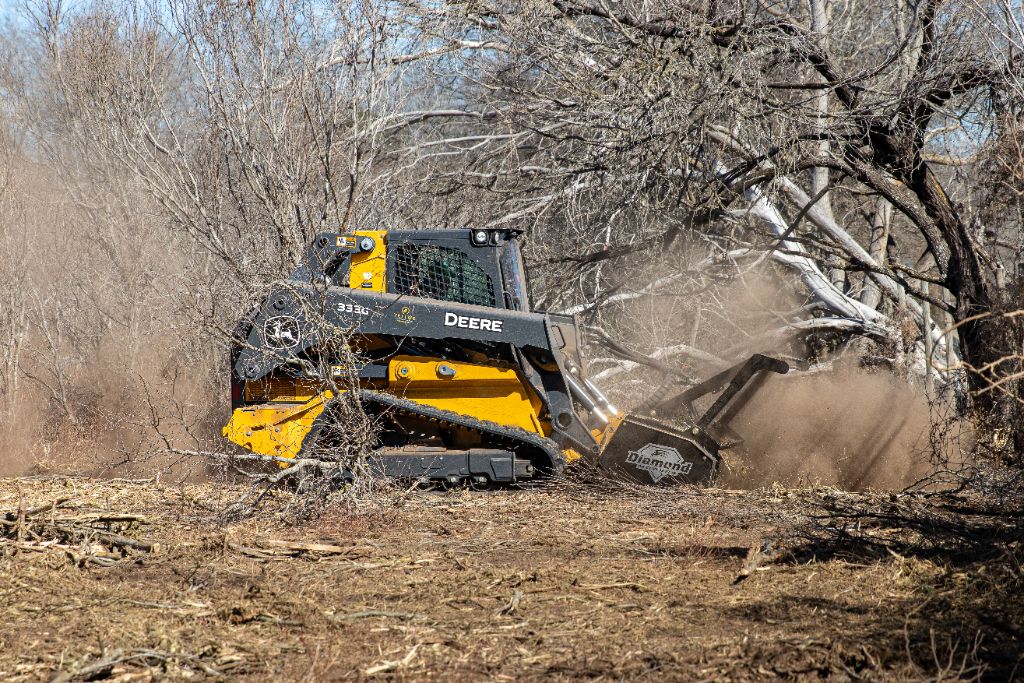
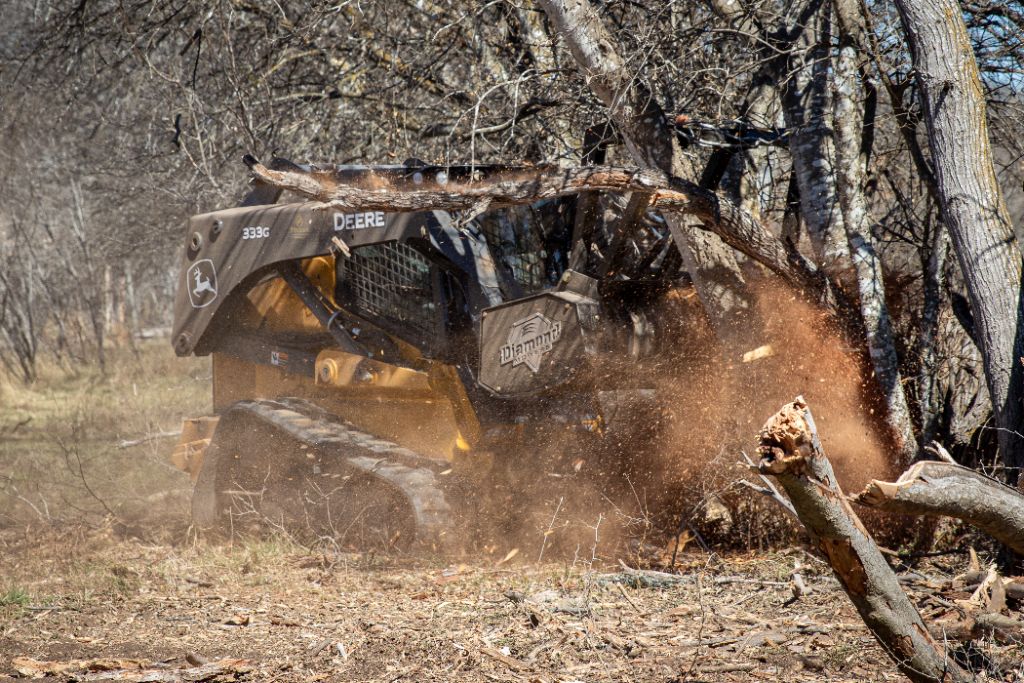
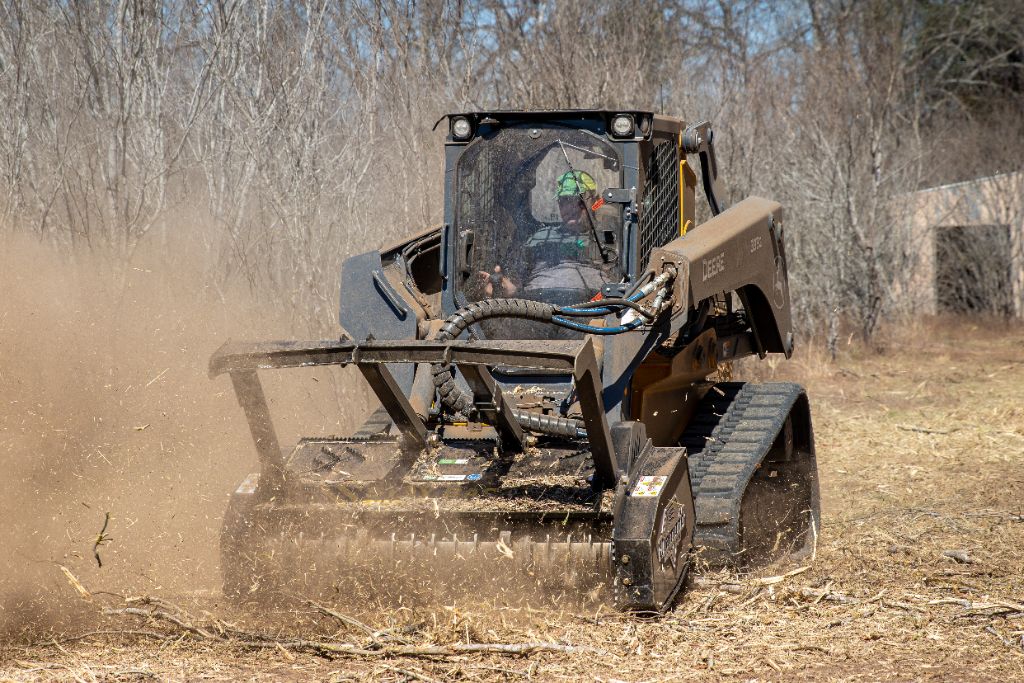
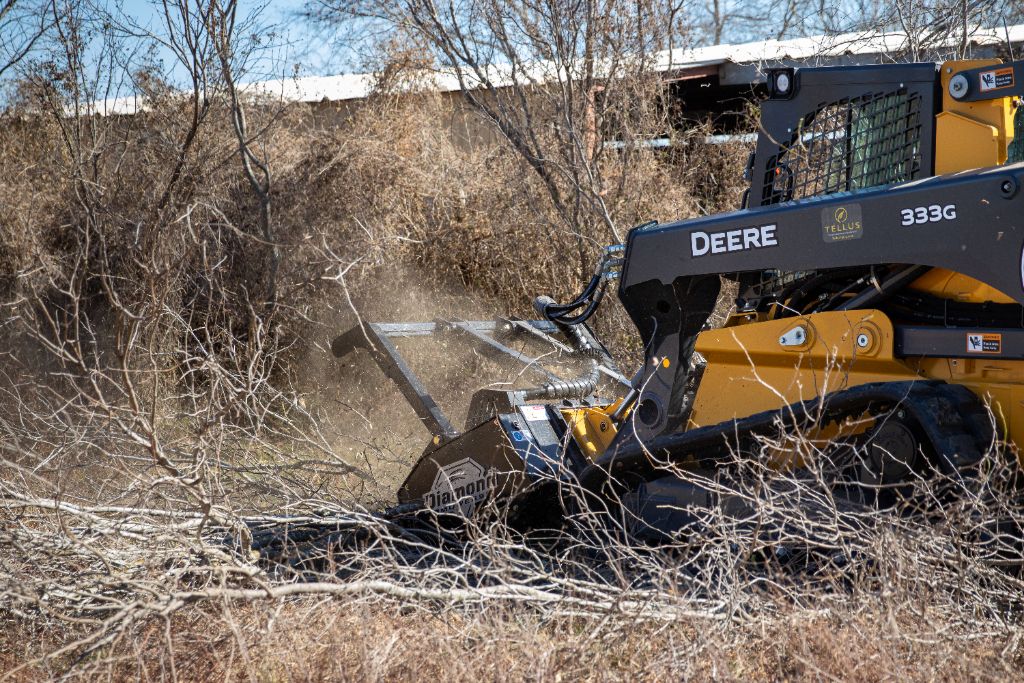
Image Prompt 2: Close-up of Central Texas soil profile showing 3-4 inch wood chip mulch layer on top, with visible topsoil underneath. Ruler showing measurement. Rainwater droplets beading on mulch surface (not penetrating/eroding). Side-by-side comparison: LEFT shows bare clay soil with erosion rills, RIGHT shows protected mulched soil with no erosion. Educational cross-section style.
Why Forest Mulching Protects Your Soil
| Approach | Erosion Control | Clay Moisture Stability | Foundation Protection |
|---|---|---|---|
| Bulldozing (bare soil) | TERRIBLE (2-5 tons/acre lost) | Wild swings (cracks in summer) | HIGH risk |
| Pile & Burn | POOR (ash washes away) | Moderate swings | MODERATE risk |
| Forest Mulching + Grass | EXCELLENT (reduces erosion 90%) | Stable (mulch regulates moisture) | LOW risk |
Our Soil-Protective Process
- Soil Assessment: Test depth to bedrock, identify clay type, map erosion zones
- Selective Clearing: Remove invasives, keep deep-rooted native trees for soil stability
- Mulch Application: 3-4 inch protective layer slows runoff 85%, prevents direct sun/clay cracking
- Contour Management: Work with natural drainage, avoid creating erosion channels
- Native Grass Seeding: Deep roots (6-10 ft) hold soil, break up clay, improve drainage
- Limestone Terracing (if needed): Use excavated limestone for erosion barriers
Cost-Benefit: Proper land clearing + erosion control costs $2,000-$4,000/acre. Foundation repairs cost $30,000-$100,000. You're not spending money—you're SAVING $20K-$90K per structure.
Turning Limestone from Problem to Profit
Here's the secret every smart Central Texas developer knows: **that shallow limestone you're cussing is worth $50-$150 per ton**.
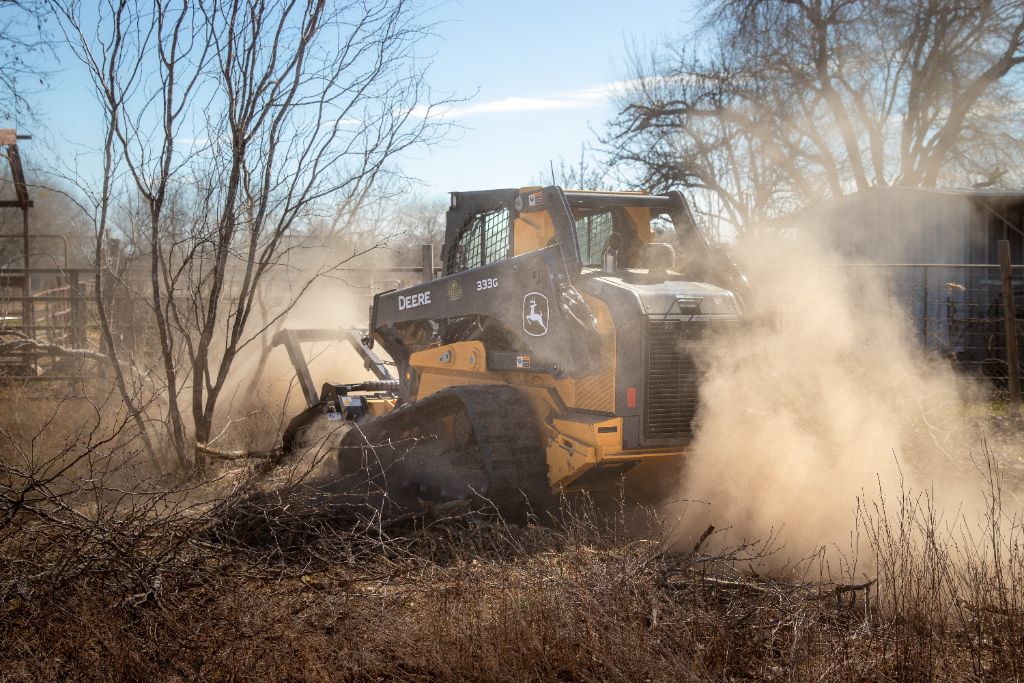
Image Prompt 3: Beautiful Hill Country property showing native Edwards limestone used creatively: dry-stack retaining walls preventing erosion, limestone steps built into hillside, flagstone patio area, limestone-lined drainage swales. All stone came from the property during land clearing. Professional landscape architecture. Golden hour lighting shows texture of stone.
High-ROI Soil & Hardscaping Projects
- Limestone retaining walls: $15-$30/sq ft prevents erosion, adds $25,000-$60,000 value
- French drains with limestone: $3,000-$8,000 protects foundations forever
- Limestone terracing: $5,000-$15,000 stops erosion on slopes
- Dry creek beds (natural drainage): $2,000-$6,000 prevents flash flood damage
- Native stone patios/walkways: $8-$20/sq ft, adds 15-25% to home value
- Berms and swales: $1,500-$4,000/acre directs water, prevents gullies
Real Example: A 25-acre property near Kerrville had BAD erosion. We cleared the cedar, used excavated limestone for retaining walls and drainage, seeded native grasses. Result: ZERO erosion after 2 years of heavy rain, property value increased $180,000 (from $275K to $455K). Total investment: $48,000. ROI: 275%.
Plants That WIN the Soil War
Some plants evolved specifically to handle Central Texas clay and limestone. Use them—they're your soil protection army.
Eastern Gamagrass
Roots to 10 feet deep, breaks up clay, tolerates limestone pH
Buffalograss
Native sod-former, drought-proof, prevents erosion
Little Bluestem
Deep fibrous roots stabilize slopes
Texas Red Oak
Tap root penetrates limestone, holds hillsides
Live Oak
Massive root system (3X canopy width), prevents landslides
Cedar Elm
Tolerates clay, grows in shallow soil, provides shade
After proper land clearing, these natives establish FAST—often from dormant seed already in the soil. Your property goes from erosion disaster to stable in 12-24 months.
Win Your Soil War—Protect Your Investment
Don't wait for foundation cracks or erosion gullies. Let's assess your soil, create a protection plan, and turn that limestone liability into an asset.
No obligations. Free consultation. Serving San Antonio, Austin, Boerne, Corpus Christi, Laredo, McAllen, and all of Central Texas & South Texas.